
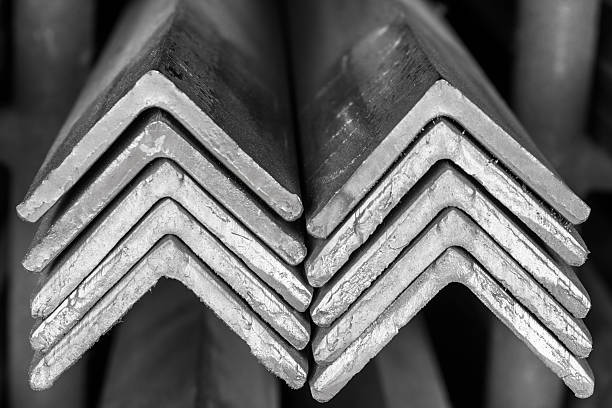
I still remember the first time I heard someone casually say Ms angle on a construction site like it was some kind of everyday slang. At that time, I was pretty new to writing about steel products, barely a year in, and honestly half the terms went over my head. But the more I paid attention, the more I realized these angles are kind of the silent backbone of so many structures we walk past daily without a second thought. No drama, no spotlight, just doing the heavy lifting.
In simple terms, steel angles are like that dependable friend who never posts on social media but always shows up when needed. They sit in corners, frames, supports, holding things together while everyone praises the flashy glass or paint on the outside. And mild steel angles specifically have this reputation online too. If you check contractor forums or even random Reddit threads, people keep saying the same thing: reliable, affordable, easy to work with. Not sexy, but effective.
What Makes Mild Steel Angles So Practical
One thing I’ve learned the hard way while writing finance and construction-related stuff is that price matters more than people admit. Mild steel angles hit that sweet spot. They’re not the cheapest thing you’ll ever buy, but they’re far from premium-priced structural steel either. Think of it like buying a mid-range smartphone. It doesn’t fold, it doesn’t fly, but it does what you need without burning your wallet.
Mild steel has a lower carbon content, which sounds boring, but that’s actually why fabricators love it. It bends, cuts, and welds easily. A welder once told me that working with mild steel angles feels forgiving, like the material understands human error. Mess up slightly, and it won’t crack or snap on you immediately. That’s probably why small workshops and local builders prefer it over fancier alloys.
Where You’ll Actually Find These Angles in Real Life
People assume steel angles are only for big factories or skyscrapers, but that’s not true at all. I’ve seen them used in staircase frames, warehouse racks, electric poles, solar panel mounts, and even basic furniture frames. There was a viral reel on Instagram a few months ago where a guy made a whole coffee table using mild steel angles and wood, and the comment section was full of people asking where to buy the steel.
Another lesser-known thing is how common these angles are in rural construction. In smaller towns, especially in India, mild steel angles are often preferred over concrete reinforcements for sheds and temporary structures. They’re easy to transport, quick to install, and if needed, you can reuse them. That reuse factor doesn’t get talked about much, but it saves money in the long run.
Strength Without Being Overcomplicated
From a technical side, mild steel angles aren’t trying to be superheroes. They offer decent tensile strength, good load-bearing capacity, and enough durability for most everyday structural needs. No one is claiming they’ll survive a zombie apocalypse, but for buildings, bridges, racks, and frames, they’re more than enough.
I once compared steel products to shoes in an article draft that never got published. Mild steel angles are like work boots. Not stylish, not trending on Twitter, but solid. You trust them to get you through rough conditions. That analogy still makes sense to me, even now.
Online Talk and Industry Sentiment
If you follow steel suppliers or construction influencers on LinkedIn, you’ll notice mild steel angles barely get individual posts. They’re usually mentioned in passing, bundled with beams and channels. But the comments always show demand. Contractors asking about sizes, availability, and pricing fluctuations. Some even complain when supply drops because it messes with their project timelines.
A niche stat I came across last year said angle sections account for a surprisingly high percentage of small-scale structural steel consumption compared to beams. It makes sense when you think about it. Not every project needs heavy I-beams, but almost every frame needs angles somewhere.
Why Builders Keep Coming Back to Them
There’s something comforting about materials that don’t try to reinvent themselves every year. Mild steel angles haven’t changed much, and that’s a good thing. Builders know what they’re getting. Engineers know how they’ll behave under stress. Fabricators know how to shape them without fuss.
I’ve spoken to a site supervisor who joked that if mild steel angles ever disappeared, half the small construction projects in the country would just freeze. That might be exaggerated, but only slightly.
Ending Thoughts From a Still-Learning Writer
After writing about steel for nearly two years, I won’t pretend I know everything. I still mix up terms sometimes, and yes, I’ve had editors correct my grammar more than once. But one thing I’m sure about is this. Products like MS angle don’t get enough appreciation. They’re basic, they’re honest, and they quietly support the structures we depend on every day. In a world obsessed with innovation and buzzwords, there’s something refreshing about material that just works, no noise, no hype, just solid steel doing its job.