
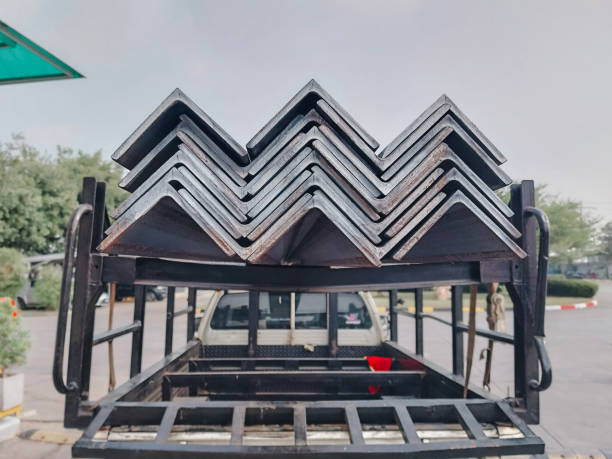
Steel angles are boring until you actually need one
I used to think steel angles were one of those things only site engineers cared about. Like bolts. Or measuring tapes that disappear on day one. Then I got dragged into writing for a construction supplier and suddenly Ms angle became part of my everyday vocabulary. Funny how that works. One minute you’re scrolling Instagram reels, next minute you’re reading comments about load-bearing frames and corrosion resistance like it’s gossip.
Mild steel angles don’t try to be flashy. They’re just there, quietly holding things together. Kind of like that one friend who never posts stories but always shows up when you need help shifting furniture.
Why mild steel angles are everywhere and nobody notices
If you look around any construction site, warehouse, factory shed, or even those half-finished buildings that never seem to get completed, you’ll spot steel angles doing the heavy lifting. L frames, supports, brackets, racks, stairs. Mild steel angles are like the skeleton nobody sees because the skin looks nicer.
One contractor I spoke to once said he prefers MS angles because they’re forgiving. That word stuck with me. Forgiving means if your measurement is slightly off or your welding isn’t Instagram-perfect, the material won’t punish you instantly. It bends a little, adjusts, survives. Kind of like working with clay instead of glass.
There’s also this lesser-known thing people don’t talk about much. Mild steel has better machinability than a lot of higher carbon steels. Translation in human language: cutting, drilling, welding doesn’t feel like fighting a boss level in a video game.
The price logic nobody explains properly
People online argue a lot about steel prices. You’ll see tweets like “steel rates are crazy rn” and then someone replies with a chart nobody understands. Here’s the simple version. Mild steel angles usually sit in a sweet spot. Not dirt cheap, not wallet-destroying.
Because MS angles are produced in massive quantities, the cost per unit stays relatively stable compared to niche sections. It’s like buying rice instead of quinoa. Both feed you, but one doesn’t make your accountant nervous.
Another thing is scrap value. Mild steel has decent resale value. So even when structures are dismantled, the material isn’t dead weight. Contractors quietly factor this in, even if they never say it out loud.
Strength without acting tough
There’s this misconception that mild steel means weak steel. That’s not really true. It’s more like flexible strength. MS angles can take load, vibration, and some abuse without cracking under pressure. Especially in industrial frameworks, that balance matters.
I once saw a storage rack collapse because someone overdesigned with a brittle material that looked strong on paper. Meanwhile, the older rack made from simple mild steel angles was still standing there like an old uncle shaking his head.
Online forums sometimes joke that MS angles are the “default character” of construction materials. Basic stats, no special powers, but somehow survives till the end.
Fabrication stories nobody puts on product pages
Fabricators love mild steel angles for reasons brochures don’t mention. If you mess up a cut, you can fix it. If the welding bead isn’t perfect, it still holds. If you need to modify something on-site, MS doesn’t throw a tantrum.
One fabricator told me he keeps MS angle stock even when the project doesn’t call for it. Emergency material, he said. That says a lot.
Also, mild steel takes surface treatments pretty well. Painting, galvanizing, coating. It doesn’t fight back. That’s why you’ll see it in outdoor structures too, provided corrosion protection is done properly. No material likes rain without protection, not even the fancy ones.
Why suppliers matter more than people think
This part might sound biased but it’s real. Where you source your steel angle from actually matters. Same size, same grade, different consistency. I’ve seen comments on LinkedIn where people casually complain about uneven thickness or poor finishing, and those things become big problems later.
A reliable supplier focuses on dimensional accuracy and proper rolling standards. It saves time, welding rods, and a lot of frustration. People don’t tweet about smooth fabrication days, but they definitely tweet when something goes wrong.
Angles in modern use, not just old-school construction
MS angles aren’t stuck in the past. They’re being used in solar panel frames, modern warehouse automation setups, modular furniture, even minimalist stair designs. Scroll through Pinterest long enough and you’ll see industrial-style interiors quietly leaning on steel angles for that raw look.
There’s also chatter in startup circles about prefabricated structures using mild steel components to reduce build time. MS angles fit perfectly into that logic because they’re standardized and easy to assemble.
Things people forget to ask before buying
Most buyers focus only on size and price. They forget to ask about tolerances, surface finish, and actual grade certification. That’s like buying shoes based only on size and ignoring comfort.
Another thing is transportation. Angles need proper handling to avoid bending or edge damage. Sounds small, but it matters. A slightly bent angle can turn alignment into a headache later.
Ending on a practical note, not a fancy one
At the end of the day, mild steel angles are not exciting. They’re practical. They’re dependable. They do their job and don’t ask for applause. And honestly, that’s probably why the construction world keeps coming back to Ms angle again and again.
It’s not about trends or hype. It’s about building something that stays up, holds weight, and doesn’t give you stress at 3 a.m. when a structure starts making weird noises. Sometimes boring materials are the smartest choice, even if nobody posts about them.