
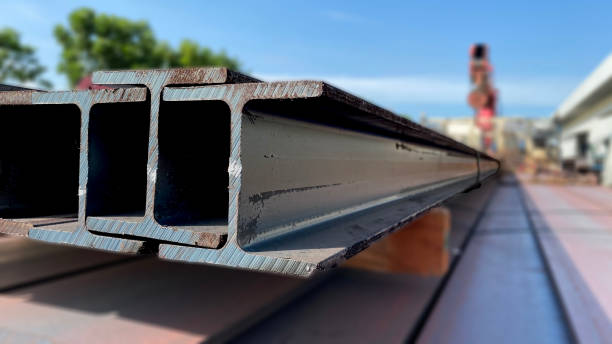
What Exactly is an Ms beam?
Okay, so let’s start simple. If you’ve ever walked past a construction site and seen those massive steel beams stacked like oversized Lego pieces, chances are some of them are Ms beam. The name is pretty straightforward—they look like the letter “H” from the side. But they’re more than just a letter-shaped chunk of steel. Ms beams are all about strength, stability, and making sure buildings don’t collapse on your head. I remember once seeing a contractor brag about how an Ms beam saved him a ton of headaches when a building design changed last minute. It’s kind of like the quiet friend who does all the heavy lifting but never asks for credit.
Ms beams vs. I Beams: Why People Confuse Them
Here’s a funny little fact—most people confuse Ms beams with I beams. And honestly, it’s understandable. They both look like letters, they’re both steel, and they’re both doing the heavy lifting in construction. But there’s a twist. Ms beams have thicker flanges, which basically means they’re wider and can handle more weight. Imagine comparing a chunky chocolate bar to a thin wafer . Both are tasty, but one can hold up a lot more weight before snapping. So if you’re planning on supporting a huge structure, Ms beams are usually the go-to choice.
Real-Life Applications of Ms beams
Ms beams aren’t just random steel sticks sitting around. They’re everywhere, and sometimes in places you wouldn’t even think about. Skyscrapers? Check. Bridges? Double check. Even your local warehouse that smells faintly of diesel fumes probably has Ms beams hidden somewhere inside its structure. Personally, I once helped a friend with a small DIY project, and we tried to use a regular steel rod instead of an Ms beam to support a makeshift loft. Long story short, we quickly realized why Ms beams exist—they’re strong, stable, and forgiving.
Why Builders Love Ms beams
I’ve chatted with a few engineers and construction folks online, and the general sentiment is that Ms beams are kind of a lifesaver. They distribute weight evenly and reduce the risk of bending or buckling. And here’s a niche tidbit that blew my mind: Ms beams are often preferred in seismic zones because they handle stress from earthquakes better than most other steel shapes. So basically, they’re the unsung heroes that keep buildings upright when nature decides to throw a tantrum.
Material and Durability
Most Ms beams are made from mild steel, which is a bit like the Swiss army knife of metals—it’s strong, flexible, and doesn’t cost a fortune. They can last decades without a problem, especially if properly maintained. I remember scrolling through a construction forum where someone posted pictures of a steel warehouse beam that’s over 50 years old and still going strong. Imagine that—50 years and still holding up the roof like a champ. That’s the kind of durability that makes engineers nerd out.
A Few Things to Consider Before Buying
Now, if you’re thinking of jumping into buying Ms beams for your own project , there are a couple of things to keep in mind. Size, thickness, and load capacity are key. It’s kind of like picking a backpack for a hiking trip—you don’t want one that collapses under a heavy load, but you also don’t want one that’s ridiculously oversized for just carrying snacks. And always, always buy from reliable suppliers. A flimsy Ms beam is like putting a kiddie pool under a waterfall—fun idea, but not exactly safe. For some trustworthy options, check out Ms beam.
Conclusion: The Quiet Star of Construction
At the end of the day Ms beam might not get the Instagram fame of fancy interiors or glass façades, but they’re quietly doing their job—keeping structures solid and safe. They’re reliable, versatile, and a little bit like that dependable friend who never flakes. Next time you see a construction site, glance at those steel beams. One of them might just be an Ms beam, silently holding up the building and probably the ego of the engineer who designed it.