
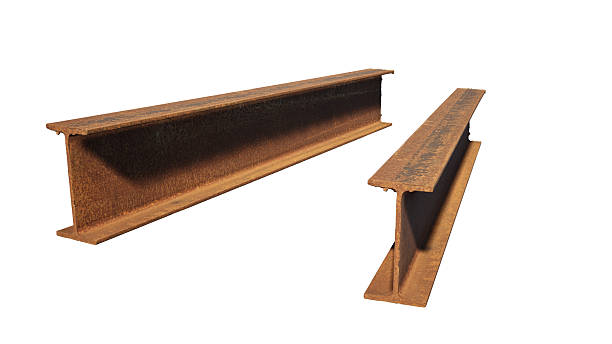
When it comes to construction, people often think that choosing the right steel beam is just a matter of picking something that “looks strong enough.” Trust me, I used to think that too, until I almost got into a bit of a mess during a small home renovation project. That’s when I really started digging into h beam sizes, and let me tell you, it’s way more than just numbers and letters.
What Exactly Are His Beams?
If you’ve ever walked past a construction site, you’ve probably seen those massive steel beams shaped like the letter H. Pretty obvious, right? But their shape isn’t just for style; it’s all about distributing weight efficiently. The horizontal lines of the “H” carry the load, while the vertical line keeps everything rigid. Think of it like a backbone. Without it, the building would just… sag or worse. And no, you don’t want your living room turning into a DIY physics experiment.
Why Sizes Matter More Than You Think
So, here’s the thing. The size of an H beam isn’t just about how tall or wide it is. There’s width, height, thickness, and sometimes a whole alphabet soup of classifications. Getting the size wrong is like trying to fit a king-size bed through a regular door — it might “work,” but it’s not ideal and could cause big problems.
From my experience watching some small projects online, people often underestimate this. Social media groups and forums are full of “I used a smaller H beam and it held… kind of” stories. Spoiler: that kind of risk is exactly why engineers exist.
Standard vs. Custom Sizes
Most projects stick with standard h beam sizes, because they’re easier to source and cheaper. But sometimes, architects or engineers need a custom size for specific load requirements. I remember a friend who was building a small café and wanted a wide-open interior without columns in the middle. They had to get a custom H beam, and the price? Let’s just say it made them question their latte addiction for a week.
How To Read H Beam Sizes Without Getting Confused
Okay, here’s a tip that took me a while to wrap my head around. When you see H beam specifications like 200x200x8x12, it’s not random numbers. That’s the height, width, web thickness, and flange thickness. Sounds boring, but once you know what it means, it’s like decoding a secret steel language. It’s also handy when you’re trying to explain to the supplier what you actually need.
Real-Life Implications of Size Choices
Here’s a little real-world story. I was helping a cousin pick beams for a small warehouse, and they tried to save money by going for slightly thinner beams. At first, it seemed fine. Then, one rainy day, the beams creaked in a way that sounded like a horror movie soundtrack. That’s when the engineer stepped in and explained why every millimeter counts. Moral of the story: size matters, and cutting corners here is basically asking for a headache .
Fun Facts You Might Not Know
Not everyone knows this, but H beams were actually inspired by the need for taller, sturdier buildings during the industrial boom. Early engineers were basically like “Let’s slap two I-beams together and see what happens.” Spoiler: it worked. Also, H beams are surprisingly recyclable, which makes them a better choice for eco-conscious projects than you’d think.
Where to Check Out Reliable Sizes
If you want to skip the guesswork, you can check out detailed specifications for h beam sizes online. Websites like this give exact dimensions, load capacities, and even pricing for standard H beams. Saves you a lot of head-scratching and Google rabbit holes. Trust me, I’ve spent hours hunting for the right beam specs — not fun.
Conclusion: Don’t Just Wing It
In the end, H beam sizes are not something you want to “eyeball.” They affect safety, cost, and even how your building looks. Next time you walk past a construction site, take a moment to appreciate those giant H-shaped heroes. They’re basically doing all the heavy lifting so that you don’t have to. And if you want a solid starting point for sizes, h beam sizes is a place worth bookmarking.