
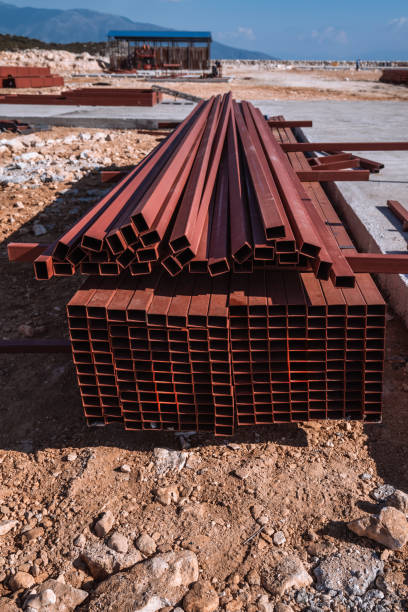
I didn’t really notice steel until I started paying attention to buildings going up near my house. One day it’s an empty plot, next day there are these long grey bars stacked like oversized matchsticks. That’s where Ms square first caught my eye, honestly. Not the term itself, but the shape. Square steel just looks… dependable. Like that one friend who never shows emotions but always picks your call at 2 a.m. Steel is kind of like that. Not flashy, not trending on Instagram Reels, but it holds everything together while we’re busy scrolling.
People talk about gold, crypto, even real estate like it’s some big brain move. Steel rarely gets that spotlight. Which is funny because without it, most of those “investments” wouldn’t even exist physically.
Why Square Steel Feels More Important Than People Think
There’s something oddly satisfying about square-shaped steel sections. Maybe it’s the symmetry. Or maybe it’s just my brain liking clean edges. But beyond vibes, square steel is used everywhere. Warehouses, bridges, staircases, factory sheds, even those minimalist metal tables influencers love to pose coffee mugs on.
One thing I learned late (and felt kinda dumb about) is that square steel sections distribute load more evenly than round ones in certain structures. It’s not just about looks. Engineers love them because they don’t twist as easily. Basically, less drama under pressure. Wish humans worked that way.
A lesser-known stat I stumbled across while doom-scrolling late at night: a massive chunk of India’s structural steel demand comes from small and mid-size construction, not mega projects. We imagine skyscrapers, but it’s actually regular buildings, workshops, and boring-but-necessary stuff doing most of the consuming.
Steel Prices and Why Everyone Online Keeps Complaining
If you’ve been on Twitter or LinkedIn lately, you’ve probably seen contractors low-key panicking about steel prices. There’s always someone tweeting “material costs killing margins” with a crying emoji. And yeah, steel prices fluctuate a lot. Global demand, iron ore prices, shipping costs, geopolitical messes… it’s like steel has mood swings.
A friend of mine who works in procurement once explained it like grocery shopping when you’re hungry. Prices feel higher because you need it now. Builders don’t really have the luxury to wait months for prices to cool down. So when steel goes up, everyone feels it immediately.
Square steel, in particular, is sensitive to demand from infrastructure projects. When the government announces new roads or industrial zones, suppliers quietly smile. When projects stall, inventory just sits there like unsold winter jackets in April.
From Factory Floors to Fancy Homes
One thing people don’t talk about enough is how steel quietly entered “aesthetic” spaces. Earlier it was all concrete and brick. Now you see exposed steel beams in cafés, black square frames in glass houses, even steel staircases being marketed as luxury design.
I once visited a café where the owner proudly explained how their entire interior was inspired by “industrial rawness.” Translation: steel everywhere, no plaster, save money, call it design. But it worked. Looked cool. And yes, a lot of it was square steel sections holding up shelves, lights, and god knows what else.
There’s also a durability angle. Termites don’t care about steel. Fire resistance is better. Maintenance is lower. Over 20–30 years, that matters more than people realize. It’s like buying a boring phone with good battery life instead of a flashy one that dies by evening.
Steel Isn’t Green, But It’s Trying
This part always gets messy in online discussions. Steel production is energy-heavy, no denying that. Environmentalists call it out, rightfully so. But here’s a nuance people miss: steel is one of the most recycled materials on the planet. Some estimates say over 85% of steel gets recycled at end of life.
That’s huge. Concrete? Not so much. Plastic? Don’t even start.
Modern steel plants are slowly shifting toward cleaner processes, electric arc furnaces, better waste heat recovery. It’s not perfect, but it’s moving. And square steel sections benefit directly because recycled steel works very well for structural shapes.
I’ve seen Reddit threads where people argue steel vs wood for sustainability. Honestly, it’s not black and white. In dense urban areas, steel makes more sense. Less bulk, more strength, longer life.
Small Builders, Big Dependence
What really surprised me is how dependent small builders are on consistent steel supply. Not big real estate giants, but the guy building a warehouse in a tier-2 city. For him, delays in steel delivery can literally pause the entire project.
Square steel is often preferred because it’s versatile. One section can be used for columns, frames, supports. Fewer SKUs to manage. Less headache. This is the kind of boring efficiency that doesn’t get applause but keeps projects moving.
I once overheard a contractor say, “Steel late aaya toh sab late.” Rough Hindi, but very accurate. Everything depends on it.
Ending Where It All Comes Back to Square Steel
So yeah, steel isn’t glamorous. It doesn’t trend. No one’s making motivational reels about square sections changing their life. But behind every warehouse, every metro station, every factory expansion, there’s a silent grid of square steel doing the heavy lifting.
And if you’re looking into structural steel options or just trying to understand why builders obsess over it, Ms square is one of those terms you’ll keep hearing again and again. It shows up early in projects and sticks around till the end, kind of like that dependable friend I mentioned earlier.
Steel may not ask for attention, but it absolutely deserves some respect. Even if we only notice it when prices go up or buildings go down.