
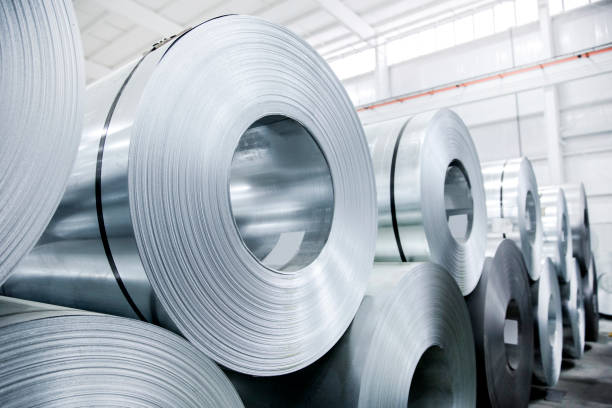
I still remember the first time I tried to understand how steel pricing actually works. I was sitting with a cup of chai, scrolling through Twitter, half-reading some argument about infrastructure growth, half-dozing off. Somewhere between a meme and a rant, I saw someone casually mention how Steel traders were panicking over freight costs. That sentence stuck. Not because it sounded dramatic, but because nobody ever talks about this side of the industry unless something breaks, literally or financially.
Steel is one of those things that feels boring until it isn’t. It’s everywhere, but invisible. Kind of like electricity. You only notice it when the bill shocks you or the power goes out. And the people moving this metal around live in a constant state of mild stress that never really trends on social media.
Where the Price Mood Swings Begin
Steel pricing doesn’t behave like normal products. You can’t just say demand is up so prices go up. Sometimes demand is up and prices still act weird. Sometimes demand is flat and prices spike like they drank too much coffee. A big reason is raw material volatility. Iron ore, coking coal, freight rates, fuel prices, currency fluctuations, all of it plays tug of war.
Think of it like cooking at home when gas prices suddenly rise. You didn’t change the recipe, but somehow the dinner costs more and you’re annoyed anyway. That’s what steel supply chains feel like on a large scale.
There’s also this lesser-known stat I came across while doomscrolling LinkedIn late one night. Nearly 30 percent of price changes in regional steel markets can be traced back to logistics disruptions rather than actual production shortages. That blew my mind a bit. It’s not always about mills producing less. Sometimes it’s just trucks stuck, ports delayed, or paperwork going missing. Boring stuff with expensive consequences.
Margins That Look Big but Feel Small
On paper, steel trading margins can look decent. In reality, they’re thin enough to make you nervous. One wrong timing decision and a profitable deal turns into a lesson you don’t forget. People outside the industry often assume traders are swimming in money. Most are actually swimming in spreadsheets.
I once spoke to someone who compared it to buying vegetables in bulk during monsoon season. You think you’re smart getting a good rate, then half the stock spoils because transport got delayed. Now multiply that stress by a few thousand tons and add bank interest.
Social media loves mocking “middlemen,” but the funny thing is that without them, supply chains move like a rusted bicycle. Slowly, loudly, and with a high chance of falling apart halfway.
The Internet Thinks Steel Is Simple
Scroll through Instagram reels about real estate or infrastructure, and steel is always reduced to a single line. “Material costs rising.” That’s it. No nuance. No explanation. It’s almost insulting if you know how many moving parts exist behind that sentence.
There’s also this growing sentiment online that everything should be direct-from-manufacturer. Sounds nice, but reality disagrees. Mills don’t want to deal with hundreds of small buyers. Builders don’t want to negotiate tonnage slabs and delivery schedules. That messy middle is where deals actually happen.
Reddit threads sometimes get closer to the truth. I’ve seen contractors there admit that local market knowledge often matters more than mill prices. Knowing who has stock today, not next month, is the real advantage. That knowledge doesn’t come from Google.
Risk Is the Real Product
One thing I’ve learned, maybe the hard way, is that steel trading isn’t just about metal. It’s about absorbing risk so others don’t have to. Price risk, delivery risk, payment risk. Someone has to hold that hot potato, and it’s rarely comfortable.
There’s a niche detail most people miss. Credit cycles in steel trading are often shorter than in other commodities, but the exposure per deal is higher. That combination makes cash flow management a daily headache. Miss one payment chain and suddenly everyone’s calling, politely at first, then less politely.
I’ve seen WhatsApp groups explode over a five-rupee price movement. Five rupees sounds small until you multiply it by 500 tons. Then it’s not small anymore, it’s personal.
Why This Space Isn’t Going Anywhere
Despite all the chaos, this industry isn’t fading. If anything, it’s getting more complex. Infrastructure spending, urban expansion, even renewable energy projects depend heavily on steel. Wind turbines, solar mounting structures, transmission towers, none of them float in the air magically.
There’s also a quiet tech shift happening. Inventory tracking, price discovery platforms, and faster settlement systems are creeping in. Not loudly, not disruptively, but steadily. The people adapting are surviving better. The ones refusing to change are usually the loudest complainers online.
Toward the end of most conversations I have about this space, someone eventually mentions Steel traders again, usually with a sigh. Not because they’re villains, but because they’re unavoidable. Like traffic. You hate it, but you also are it.
And honestly, once you look past the spreadsheets and the stress, there’s something oddly impressive about keeping such a heavy, stubborn material moving smoothly. Steel doesn’t bend easily, and neither do the people dealing with it every day.