
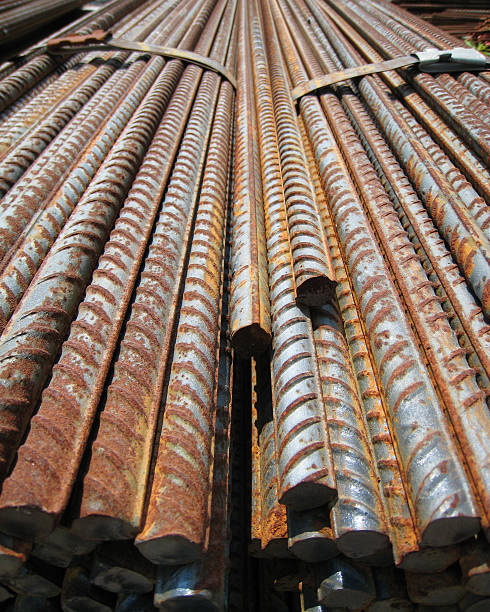
I still remember standing at a small site office near Raipur, sipping overly sweet chai, while two contractors were half arguing, half laughing about steel quality. One of them kept saying strength matters more than price, the other was like, bhai budget bhi kuch hota hai. That’s honestly where most real construction decisions begin. Somewhere between chai, dust, and practical thinking. And yes, Tmt bars came up in the first five minutes of that conversation.
Steel is one of those things everyone talks about confidently, even when half of us don’t fully understand the science behind it. But after working around steel angle products and structural materials for a while, I’ve noticed something. People don’t just buy steel, they buy peace of mind. Especially in a place like Raipur where construction never really seems to slow down.
What actually matters when choosing steel for real projects
Online articles make it sound very clean. Chemical composition, yield strength, elongation, blah blah. On site, it’s more like, will this bend when it shouldn’t and will it survive monsoon season without giving me tension. That’s the real test.
One lesser-known thing that doesn’t get enough attention is how local climate plays into steel performance. Raipur gets proper heat, and that heat expansion thing isn’t just textbook stuff. Contractors here quietly prefer steel that doesn’t act moody in extreme temperatures. Someone once joked that bad steel behaves like a bad employee, fine in the morning, problematic by evening.
There’s also a lot of WhatsApp group chatter among builders. You’d be surprised how many buying decisions start with a forwarded voice note saying, “Iska maal thik hai, site pe use kiya hai.” That’s social proof, desi version.
How steel angle products and reinforcement connect
Since this is a steel angle products focused space, it makes sense to talk about compatibility. Angles, channels, beams, all these structural parts need reinforcement that won’t underperform. Imagine using a solid frame but weak internal support. It’s like wearing expensive shoes with torn socks. Looks fine from outside, but it’s wrong.
In my early days, I once assumed all reinforcement steel was more or less the same. Big mistake. On one project, the angles were top-notch, but the reinforcement choice caused unnecessary bending during load testing. Nothing collapsed, but the stress levels on site were high enough to age everyone by two years.
That’s when I learned that consistency across steel products matters more than fancy specs. When angles and reinforcement steel are on the same quality wavelength, structures feel stable, not just on paper.
Pricing talk nobody likes but everyone does
Let’s be honest, price talks happen quietly but drive everything. There’s always that one supplier promising unreal rates. Twitter and local Facebook groups are full of posts like, “Steel price going to crash soon” or “Buy now before it shoots up.” Half of it is speculation, half panic.
What doesn’t get talked about enough is long-term cost. Cheaper steel that causes rework, delays, or extra labor isn’t cheap at all. It’s like buying a phone charger for 100 rupees and replacing it every two months. Eventually you pay more, plus irritation tax.
In Raipur’s growing industrial areas, developers are slowly catching onto this. I’ve heard a few say they’d rather spend slightly more once than explain cracks to clients later. That mindset shift is interesting and honestly overdue.
Manufacturing quality and those tiny details
Something niche I picked up from a plant visit once. The cooling process after rolling affects internal strength way more than people think. Two steels can look identical but behave very differently under pressure. One engineer explained it using a food analogy, overcooked rice vs properly steamed rice. Same grain, different outcome.
This is where experienced suppliers stand out. They don’t oversell. They explain things simply, sometimes even with bad metaphors, but you get it. Online sentiment seems to favor brands that talk less marketing and more ground reality.
I’ve seen Instagram reels of construction influencers tapping steel rods dramatically and declaring quality. It’s funny, slightly cringe, but also shows how people want simple signs to trust.
Why builders in Raipur lean toward familiar choices
Trust builds slowly in construction, kind of like concrete curing itself. Once a brand or supplier proves reliable, people stick. Not because they’re loyal fans, but because risk is expensive. A delayed project can cost more than steel price differences.
That’s why reinforcement steel often gets chosen based on past site behavior rather than brochure claims. Workers also matter here. If laborers say steel bends predictably and cuts clean, that feedback holds weight. No one writes that in formal reviews, but it travels fast on site.
I’ve even seen younger engineers change their textbook preferences after listening to older site supervisors. Experience humbles everyone eventually.
Ending thoughts from someone still learning
I won’t pretend I know everything about steel. Even after two years around this industry, I still ask dumb questions sometimes. But one thing is clear. In structural work, especially where steel angle products form the backbone, reinforcement choices can’t be random.
By the time you’re wrapping up a project, you realize why people keep circling back to reliable Tmt bars toward the end of planning discussions. Not because of hype, but because they’ve seen what works, what cracks, and what survives heat, load, and time. And in construction, surviving time is kind of the whole point.