
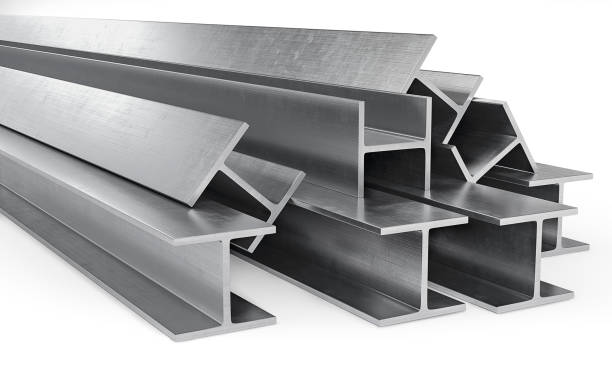
When I first got into construction stuff, honestly, I was completely baffled by all the measurements and codes. You know, steel shapes, load capacities, sizes—it’s like learning a new language. And the one thing that really tripped me up was understanding I beams. They look simple, right? Just a straight steel piece with a couple of flanges. But the weight of these things? That’s where the fun begins. That’s why having an i beam weight chart is basically a lifesaver if you don’t want your calculations to go horribly wrong.
Why I Beam Weight Matters
I beams aren’t just about holding up roofs or bridges. Their weight directly affects everything from transportation costs to structural safety. Imagine building a small house and thinking, “Eh, I’ll just eyeball this beam.” That could be a disaster waiting to happen. The heavier the beam, the more load it can handle, but it also means your cranes, trucks, and labor need to be ready for the extra heft. It’s a balance. Think of it like trying to carry your shopping bags. You could carry three huge bags at once, but then you might drop your groceries—or worse, your back will complain for the next week.
How I Beam Weight is Calculated
For those curious, the weight isn’t pulled out of thin air. It’s based on the cross-sectional area and the density of steel. Basic physics, really. Multiply the area of the beam’s cross-section by the steel density (roughly 7850 kg/m³ if you’re nerding out) and boom, you’ve got the weight per meter. Sounds simple, but if you skip this step, you might end up ordering a beam that’s twice as heavy as you expected. Trust me, I learned that the hard way when helping a buddy with a shed construction. That beam did not fit in his little pickup.
Different Types of I Beams and Their Weight Differences
Not all I beams are created equal. There’s the standard I, the H-beam, and even something called a universal beam. The flanges’ thickness and the web width play a huge role in the final weight. If you’ve ever seen someone flexing their biceps on Instagram, it’s kind of like that—the bigger and thicker the arm, the heavier it feels to lift. An i beam weight chart can help you figure out which size and type is suitable without guessing. And honestly, it saves a lot of trips back to the supplier, which is a win.
Why Online Charts Are Better Than Guessing
I remember scrolling through a forum once where a guy was debating if he could use a 200 mm I beam instead of a 250 mm one. People were replying like it was the world’s biggest debate. Someone even suggested measuring it by “eyeballing” the thickness. That’s when I realized, online charts are our friends. Having an i beam weight chart handy means you can make decisions faster, cheaper, and safer. Plus, suppliers often love it when you come prepared—it’s like showing up with the cheat sheet to a test.
Tips for Using the I Beam Weight Chart
Honestly, don’t overthink it. Just match the beam type, its dimensions, and you get the weight. But here’s a small pro tip: always double-check the units. Some charts give weight per foot, some per meter. I once converted wrong and ended up underestimating by nearly 30%. The look on the site engineer’s face? Priceless.
A Small Story From My Own Experience
I remember helping a cousin renovate his garage. He was all about saving money, and I was all about not breaking the ceiling on day one. We pulled up the i beam weight chart and figured out the exact beams we needed. No guesswork, no “oh crap” moments, and yes, we even got a good laugh when we realized the tiny I beam we thought was “light” was still heavier than his dog. True story.
Final Thoughts
Understanding my beam weight doesn’t need to be complicated. With an i beam weight chart, you can plan better, avoid costly mistakes, and maybe even impress a few people with your steel knowledge at dinner parties. So next time you see a shiny steel beam at a construction site, remember—it’s not just metal, it’s carefully calculated engineering, weight, and a tiny bit of life lesson all rolled into one.