
Why Arabescato Marble Is Taking Over Interiors
Okay, so let me tell you, I recently stumbled upon arabescato marble while scrolling through some home decor TikToks, and I legit couldn’t stop staring. It’s one of those marbles that somehow screams luxury without being over the top. You know how some stuff looks expensive but also kinda try-hard? Yeah, this isn’t that. It’s like the quiet rich kid of the marble world—sophisticated but chill.
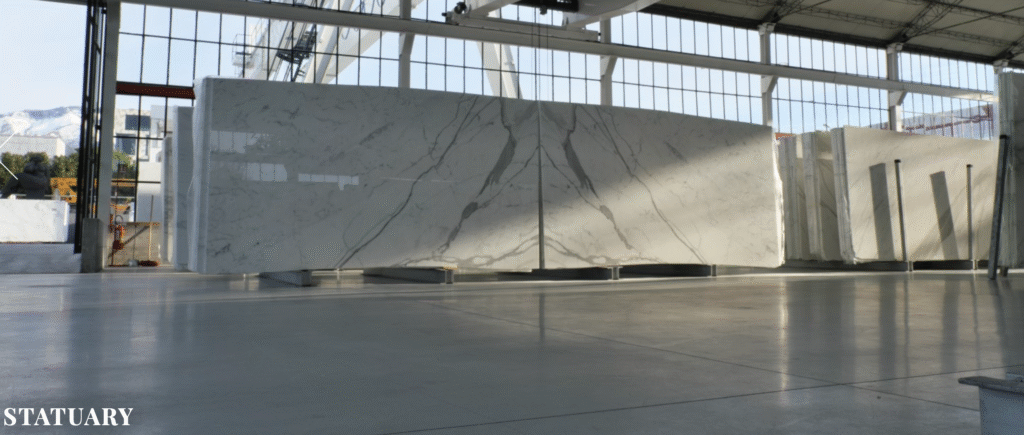
Honestly, it’s not just Instagram vibes. Arabescato marble has this creamy white base with gray veins that twist and swirl in the most random but elegant way. Imagine spilled coffee swirling into milk, but classier and less sticky. And here’s a fun fact I didn’t even know at first: unlike Carrara marble that’s super common, Arabescato is rarer. Some designers online swear by it because it makes any space look like you hired an interior designer with zero effort.
The Science (Kind of) Behind the Look
So here’s me trying to sound smart without going full Wikipedia. Arabescato marble is a type of high-quality marble from Italy. Its veins aren’t just random; they’re like nature’s fingerprints, formed over thousands of years. Each slab is unique, which means no two kitchen counters or bathroom walls will ever look the same. I know, sounds a bit dramatic, but it’s true. Marble nerds on Reddit literally have threads dedicated to vein patterns—like people actually get excited about gray swirls on stone.
Also, fun side note: marble is basically crystallized limestone. So technically, when you touch it, you’re touching rocks that are ancient. That’s kinda mind-blowing if you think about it while sipping your morning coffee. Imagine your countertop being older than half the countries you’ve studied in school.
How To Use Arabescato Marble Without Going Overboard
Alright, real talk—arabescato marble is gorgeous, but it can look cold if you’re not careful. Some people slap it everywhere and suddenly their house feels like a hospital lobby. Not cute. The trick? Balance. Pair it with warm woods, brass accents, or even a funky rug to avoid that “I live in a marble showroom” vibe.
I once tried using it for a coffee table in my tiny apartment, and honestly, I had zero regrets. But then again, I also paired it with a messy bookshelf and some indoor plants, so it didn’t feel stiff. People online are always sharing these Pinterest-perfect kitchens, but the reality is most of us live in slightly chaotic spaces. Arabescato marble actually works really well there, because its veins are kind of busy, so smudges or spills aren’t the worst thing ever.
A Niche Look at Its Popularity
You might think this is just a “rich people trend,” but it’s actually creeping into mid-range homes too. According to some marble forums (yes, I lurk), Arabescato has seen a 20% rise in online searches over the last year. People are posting before-and-after pics of counters and bathrooms, and the comments are full of “I need this in my life” vibes. Even some DIY enthusiasts are getting slabs for tiny projects, like vanity tops or accent walls. The marble might cost a bit more than Carrara or standard white marble, but the payoff? It’s basically like wearing a tailored suit versus a hoodie—you still get the same function, but the aesthetic is on another level.
Maintaining Arabescato Marble Without Losing Your Mind
Here’s where people usually freak out. Marble is porous, so yeah, it stains. Red wine, coffee, acidic juices—basically anything fun in life can leave a mark. But here’s the thing: sealing your arabescato marble is not rocket science. Do it once in a while, wipe spills fast, and you’re golden. Personally, I’ve spilled everything from chai to pasta sauce on mine, and with a little elbow grease, it still looks stunning. Social media makes it look like a nightmare, but honestly, it’s manageable if you’re not trying to live in a marble-only bubble.
Some folks online even mix it with resin for tabletops, which makes it almost indestructible. I haven’t tried that yet, but it’s on my mental “future apartment goals” list. Honestly, the marble game is part science, part patience, and a lot of luck—because no two slabs are exactly the same.
Why It’s Worth Investing In
Okay, here’s my honest opinion: if you can swing it, arabescato marble is absolutely worth it. It’s not just a surface; it’s an upgrade to the whole vibe of your home. You walk into a room with it, and there’s this subtle “wow” factor that’s hard to fake. Even guests who don’t know much about marble notice it.
I remember my cousin came over when I had a small Arabescato slab on a side table. He literally paused, touched it, and said, “Bro… this is fancy.” And he’s the guy who thinks IKEA is high-end, so that says a lot. It’s one of those investments that pays off not just in aesthetics but in bragging rights too.
Plus, unlike other materials that get trendy and then vanish, marble has that timeless vibe. People online keep saying “marble is old-fashioned,” but honestly, it’s like vinyl records or Polaroid cameras—it’s classic, and it never really goes out of style. You can update the room around it, switch tiles, paint walls, but your Arabescato marble will still be the anchor piece.
So, if you’re debating whether to splurge or play safe, my advice is: go for it. Think of it like buying a good pair of shoes—you might regret it for your wallet, but never for your style points. And remember, arabescato marble isn’t just for kitchens or bathrooms. Accent walls, coffee tables, even fireplaces look incredible with it.